
Fireworks and your dog: how to get through New Year’s Eve, and how to prevent the fear
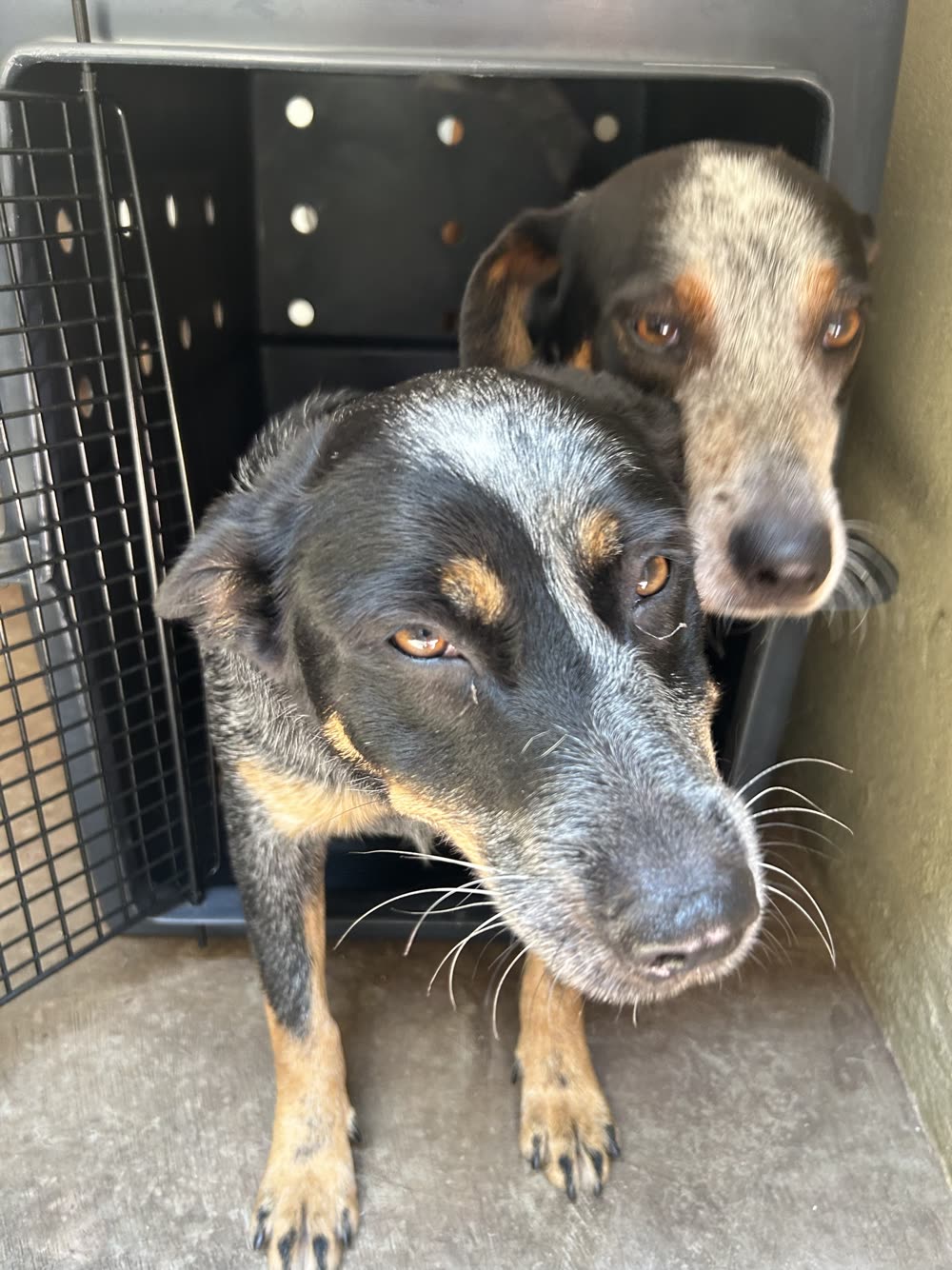
For many dogs in the Netherlands, New Year’s Eve is the worst night of the year. The bangs often start days before 31 December and go on long after midnight. The good news: fear of fireworks can be eased, and in puppies it can often be prevented. The key is to start weeks before, not on the day itself.
How common is it?
Very common. In a large UK survey, Blackwell and colleagues (2013) found that almost half of owners reported at least one sign of fear of noises in their dog, with fireworks as the most common trigger. Only about a quarter of owners actually described their dog as fearful. In other words: many dogs are scared and their owners do not notice.
Recognise the signs
Fear is not only shaking and hiding. Look out for:
- panting without being warm, licking lips, yawning
- pacing, unable to settle, following you everywhere
- ears back, tail low, whites of the eyes showing
- refusing food or treats it normally loves
- trying to hide, dig or escape
It tends to get worse, not better
Susanne Riemer (2019) surveyed over a thousand owners of firework-fearful dogs. For most dogs the fear did not fade on its own: it often grew year after year, and sometimes spread to other sounds like thunder or gunshots. Storengen and Lingaas (2015) also found that noise sensitivity often goes together with other fears. Waiting for the dog to "get used to it" rarely works.
What to start now (October and November)
- Talk to your vet early. Some dogs need medication to get through the night. There are prescription options made for noise fear, and some need to be tested beforehand. Ask in November, not on 30 December.
- Build a safe den. A crate covered with a blanket, a corner behind the sofa, a quiet room. Let your dog choose it, and make it the best place in the house now: chews, meals, a favourite blanket. Never close a frightened dog in.
- Train with sounds, very gently. Play firework recordings at a volume so low that your dog barely reacts, and pair them with food or play. Over days and weeks, raise the volume a little. If your dog stops eating or looks worried, go back a step. This only helps with a slow and patient plan.
- Make bangs predict good things. Riemer found that dogs whose owners fed or played with them each time a firework went off showed more improvement. Start in the days before New Year’s Eve, when the first single bangs go off: bang, then a piece of cheese. Every time.
On the days around New Year’s Eve
- Walk earlier and on a leash. Do the long walk in daylight. Escaping in panic is a real risk in these days, even for dogs that always come back.
- Check the chip and the tag. In the Netherlands every dog must be chipped and registered. Make sure your phone number in the registration is up to date, and put an ID tag on the collar or harness.
- Close curtains and add sound. Closed curtains block the flashes. Calm music, the TV or a fan masks part of the bangs.
- Feed a good meal earlier in the evening and offer long-lasting chews or a stuffed food toy. Chewing and licking calm the body.
- Stay at home, and stay calm. A frightened dog left alone often panics more.
Is it bad to comfort a frightened dog?
No. This is a stubborn myth. Fear is an emotion, not a trick you can accidentally reward. If your dog comes to you for safety, let it lean on you, stroke it calmly, speak softly. What does not help is forcing it: carrying it outside "to face it", or holding it still while it wants to hide.
Comfort does not teach fear. Being left alone with fear does.
Prevention: raising a puppy that stays calm
The best protection starts early. Puppies are especially open to new experiences in their first months. During that period, play many kinds of sounds at a low volume while something good happens: a meal, a game, a cuddle. Fireworks, thunder, traffic, a vacuum cleaner. Always keep the volume low enough that the puppy stays relaxed.
A puppy’s first New Year’s Eve deserves its own plan. If your puppy arrives in autumn, start the sound training right away and treat that first night as a training night: food and play with every bang, a safe den and you nearby.
References
- Blackwell, E. J., Bradshaw, J. W. S., & Casey, R. A. (2013). Fear responses to noises in domestic dogs: prevalence, risk factors and co-occurrence with other fear related behaviour. Applied Animal Behaviour Science, 145(1–2), 15–25.
- Riemer, S. (2019). Not a one-way road: severity, progression and prevention of firework fears in dogs. PLOS ONE, 14(9), e0218150.
- Storengen, L. M., & Lingaas, F. (2015). Noise sensitivity in 17 dog breeds: prevalence, breed risk and correlation with fear in other situations. Applied Animal Behaviour Science, 171, 152–160.